What the Dinner Experience Is Really Like on a Marina Dhow Cruise

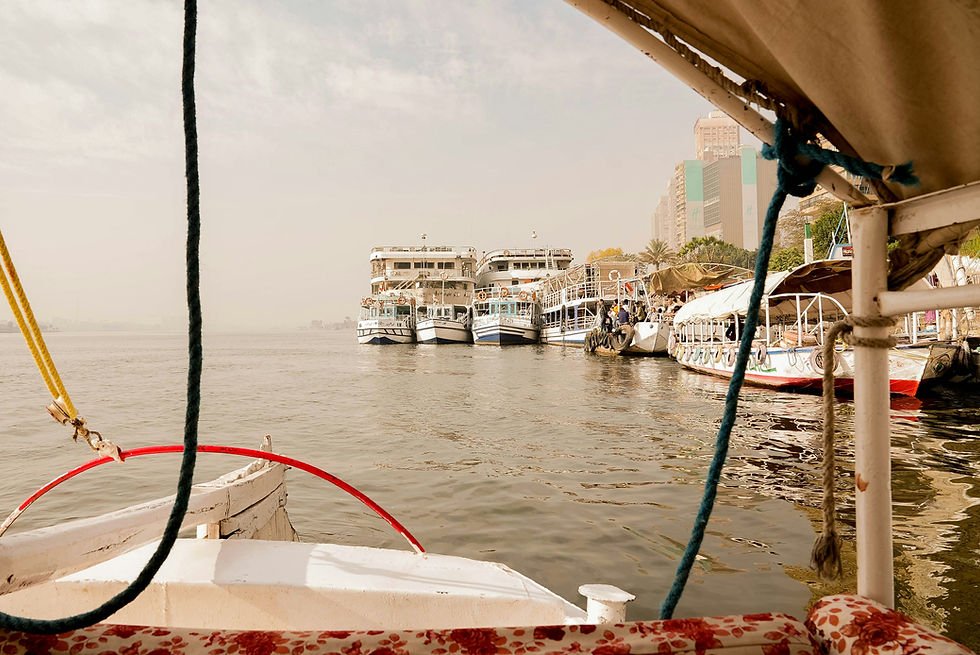
A night dhow cruise along Dubai Creek isn’t about spectacle. It’s about atmosphere. The lights are softer, the water moves gently, and the surroundings feel rooted in the city’s older rhythm. For many travelers, this is exactly why they want photos—but also why those photos don’t always turn out the way they expect.
If you’re cruising on Dubai Dhow Cruise Creek, understanding how the environment behaves after dark makes a bigger difference than camera quality. Better photos here come from patience, observation, and letting the setting lead.
Why Night Photography on the Creek Is Different
Dubai Creek isn’t brightly illuminated like the Marina. Light comes in patches—street lamps, shop fronts, passing boats, reflections on the water.
That means:
Bright highlights and deep shadows exist together
Colors are warmer but more muted
Motion is constant, even when it feels slow
Once you stop trying to force bright, sharp images, you start capturing photos that actually feel like the Creek at night.
Set Expectations Before You Take the First Photo
Many travelers expect dramatic skyline shots. The Creek offers something else.
Photos here tend to look:
Softer rather than sharp
Atmospheric rather than bold
Calm rather than striking
This isn’t a limitation. It’s the character of the place. When your expectations match that mood, your photos improve immediately.
Choose Your Position Carefully
Your position on the dhow affects your photos more than any setting.
Look for:
Open sides with railings
Areas away from strong onboard lights
Spots where reflections are visible on the water
Avoid standing directly under bright bulbs or decorative lights. They create glare and flatten the background. A slightly darker spot often produces richer images.
Let Reflections Do the Work
Reflections are one of the Creek’s strongest visual features at night.
Watch for:
Yellow and amber lights stretching across the water
Passing abras leaving moving trails of light
Buildings mirrored softly rather than sharply
Shooting slightly downward reduces glare and enhances these reflections. Some of the most memorable Creek photos are almost abstract—light, water, and motion.
Phone Photography Works Better Than You Think
Most people use phones, and that’s completely fine on a dhow cruise.
A few practical habits help:
Use night mode, but keep the phone steady
Brace your arms against the railing
Tap to focus on light, not darkness
Avoid digital zoom. It exaggerates blur in low light. If something feels too far away, it usually looks better as part of a wider scene anyway.
Timing Matters More Than Quantity
Not every moment on the cruise looks the same.
Early in the cruise:
Dock areas are brighter
The boat moves less
Photos are easier to stabilize
As the cruise continues:
Lighting becomes softer
Reflections improve
Motion blur increases
Instead of photographing continuously, wait for moments when the light feels balanced. Fewer photos, taken calmly, usually turn out better.
Photographing People Without Flash
Flash almost always works against the Creek’s mood.
If you’re photographing people:
Position them near ambient light
Let shadows exist naturally
Accept a little grain
Candid moments—someone looking out over the water, a quiet conversation, a relaxed smile—often capture the night better than posed shots.
Accept Movement Instead of Fighting It
The dhow moves, even when it feels still. Trying to eliminate all motion can be frustrating.
Instead:
Use movement creatively
Let lights blur slightly
Focus on atmosphere over detail
Some blur gives photos a sense of place. Perfect sharpness isn’t always the goal at night.
Keep Camera Settings Simple
If you’re using a camera instead of a phone, simplicity helps.
A realistic approach:
Slightly higher ISO is acceptable
Wider aperture helps in low light
Shutter speed just fast enough to reduce shake
Constantly adjusting settings usually leads to missed moments. The Creek’s lighting changes slowly, so consistency works in your favor.
Be Mindful of the Shared Experience
A dhow cruise is communal.
Avoid:
Blocking walkways
Using bright screens continuously
Leaning excessively over railings
Quiet, unobtrusive photography fits the mood better and keeps the experience enjoyable for everyone onboard.
Editing Should Stay Minimal
If you edit photos later, keep it light.
Small adjustments go a long way:
Slight brightness increase
Gentle warmth
Minimal sharpening
Over-editing removes the softness that makes Creek photos feel authentic. Grain and shadows are part of the night story.
When Not Taking Photos Is the Better Choice
Some moments don’t translate well to images.
The sound of water.Music drifting through the air.The contrast between old buildings and darkness.
Putting the camera down for a while often makes the photos you do take feel more intentional and meaningful.
Creek vs Marina: Why This Matters for Photos
Travelers sometimes compare their Creek photos to Marina cruise images and feel disappointed. The experiences are fundamentally different.
The Marina is bright and dramatic.The Creek is subtle and nostalgic.
Understanding that difference helps you judge your photos fairly. Many local planners note that travelers who know this beforehand enjoy both experiences more, for very different reasons.
Practical Takeaways That Actually Help
If you remember just a few things:
Choose your spot wisely
Use ambient light, avoid flash
Photograph selectively
Let reflections lead
Accept softness and motion
Night photography on the Creek rewards patience more than precision.
Final Thoughts
Taking better photos on a dhow cruise along Dubai Creek isn’t about equipment or technical skill. It’s about seeing the place for what it is.
The Creek at night is gentle, historic, and unhurried. When your photos reflect that—through quiet light, calm compositions, and honest moments—they become reminders of how the night felt, not just how it looked.
And in the end, those are the images people tend to value most.


Comments