What to Wear for a Dune Buggy Tour in the Dubai Desert

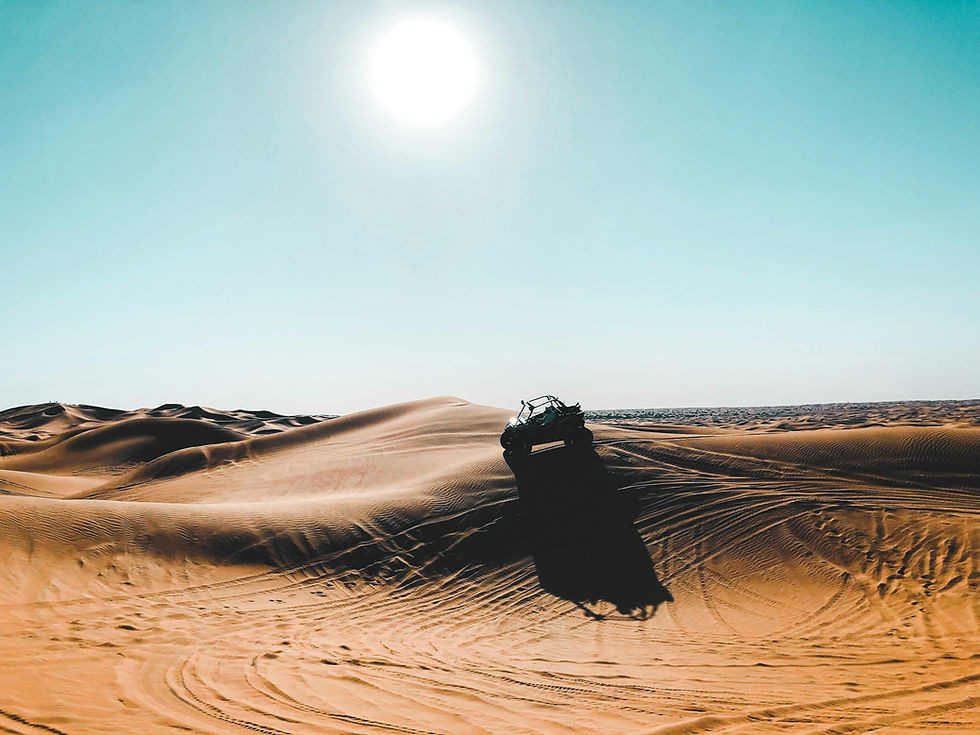
When people think about dune buggy tours in Dubai, the focus is usually on speed, sand, and adrenaline. What often gets overlooked is something far more practical: what you wear. In the desert, clothing isn’t about style or photos—it’s about comfort, safety, and how much you actually enjoy the ride.
Dubai’s desert environment is beautiful but demanding. Heat, wind, sand, and sudden temperature changes all play a role. Wearing the wrong outfit won’t ruin the tour, but it can make it far less comfortable than it needs to be. Knowing what works—and what doesn’t—comes mostly from experience, not packing lists.
Why Clothing Matters More in the Desert Than You Expect
A dune buggy tour isn’t a casual desert walk. You’re driving over soft sand, often at speed, with constant movement and vibration. Sand gets everywhere. Wind hits your face. The sun can feel stronger than it does in the city.
What you wear affects how tired you feel, how protected you are, and how much attention you can give to driving instead of adjusting uncomfortable clothes. Good clothing choices fade into the background. Bad ones become the only thing you can think about.
Start with Breathable, Lightweight Clothing
The foundation of a good outfit is light, breathable fabric. Cotton blends or moisture-wicking sportswear work best.
Loose-fitting tops help air circulate and reduce heat buildup. Tight, heavy fabrics tend to trap sweat, especially when you’re seated in a buggy for long stretches.
Long sleeves may sound counterintuitive, but they often work better than short sleeves. They protect your arms from sun exposure and from sand kicked up by other vehicles.
Pants Over Shorts: A Practical Choice
Shorts seem like an obvious desert option, but they’re not always ideal for dune buggy rides. Sand hitting bare skin at speed can be irritating, and constant sun exposure adds up quickly.
Lightweight trousers or cargo pants provide protection without making you feel overheated. They also reduce friction from the seat and offer a small buffer against minor scrapes.
If you do choose shorts, make sure they’re comfortable when sitting and don’t ride up easily.
Footwear: Where Comfort and Safety Meet
Closed-toe shoes are essential. This isn’t a place for sandals or flip-flops.
You’ll want shoes with:
Good grip
Secure fastening
Flexible soles
Sneakers or lightweight trainers are ideal. They protect your feet from hot sand, provide stability on uneven ground, and allow proper pedal control while driving.
Avoid heavy boots unless you’re used to them—they can feel restrictive and tiring during longer rides.
Socks Are More Important Than They Sound
Socks help keep sand from rubbing directly against your skin inside your shoes. Thin, breathable socks are enough. Thick winter socks usually feel uncomfortable and trap heat.
It’s a small detail, but one you’ll appreciate once you’re halfway through the ride.
Eye Protection Is Not Optional
Even if you don’t usually wear sunglasses, the desert changes things. Bright sunlight reflecting off sand can be intense, and wind-blown sand can sting.
Most operators provide goggles or recommend wearing them. If you have your own, make sure they fit snugly and don’t fog easily.
Sunglasses should be:
Secure (not loose fashion frames)
UV-protective
Comfortable under a helmet
Losing sunglasses in the dunes happens more often than people expect.
Headwear: Helmet First, Style Second
Helmets are typically provided and required. Because of this, hats or caps aren’t very useful during the ride itself.
Before and after the buggy drive, a light cap or scarf can help protect from sun. During the ride, the helmet does the job.
Avoid bulky hairstyles or accessories that make helmet fitting uncomfortable.
Layering for Desert Temperature Changes
Desert temperatures can shift quickly, especially during early mornings or evenings. A ride that starts warm can end feeling surprisingly cool.
A light jacket, hoodie, or windbreaker is often enough. It should be easy to remove and carry once the temperature rises.
Heavy jackets are unnecessary and awkward in the buggy.
Gloves: Optional but Helpful
Some drivers prefer wearing gloves, especially on longer rides. Gloves can:
Improve grip on the steering wheel
Reduce vibration fatigue
Protect hands from sun and dust
Light driving or cycling gloves work well. Thick winter gloves are usually too warm and reduce sensitivity.
What to Avoid Wearing (Learned the Hard Way)
Certain clothing choices consistently cause discomfort in the desert.
Avoid:
Loose scarves that flap into your face
Flowing dresses or long skirts
Jewelry that heats up in the sun
Dark, heavy fabrics that absorb heat
Also avoid anything you’d be upset about getting dusty. Sand finds its way into every seam and pocket.
Bags and Pockets: Less Is Better
Most dune buggy tours recommend minimal personal items. Anything loose can bounce around or get lost.
Choose clothing with secure, zippered pockets if possible. Phones, wallets, and keys should be tightly secured or stored where the operator advises.
Crossbody bags and backpacks are usually impractical during the ride.
Dressing for Different Times of Day
Morning tours tend to be cooler, especially in winter months. Long sleeves and a light jacket are more important early in the day.
Afternoon tours bring stronger sun exposure, so breathable fabrics and sun protection matter more.
Evening rides often start warm and end cool. Layering becomes useful here.
Seasonal Considerations in Dubai
Dubai’s desert climate changes throughout the year, but sand and sun remain constants.
In summer months, lightweight clothing is critical, but coverage still matters. Exposed skin can feel hotter than covered skin under direct sun.
In winter, temperatures are milder, but wind can feel sharp once you’re moving quickly. A light outer layer makes a noticeable difference.
Helmets, Goggles, and Provided Gear
Most dune buggy operators provide essential safety gear like helmets and sometimes goggles. Clothing, however, is your responsibility.
Local tour services such as Go Kite Travel often give general clothing guidance to travelers, especially first-timers, because what you wear directly affects how safe and comfortable the ride feels.
Even with provided gear, personal comfort still depends on your clothing choices.
Dressing for Photos vs Dressing for Reality
Many travelers think about photos when choosing outfits. That’s understandable, but the desert is unforgiving to impractical fashion.
Neutral colors photograph well and hide dust better than dark shades. Comfort always looks better than discomfort, even in pictures.
If you want photos, take them before or after the ride, not while compromising safety or comfort.
What Most First-Timers Get Wrong
First-time riders often underestimate:
How much sand moves around
How strong the sun feels at speed
How quickly clothing choices affect comfort
Overpacking, overdressing, or underprotecting skin are common mistakes. Simple, functional clothing almost always works best.
Final Thoughts: Dress to Forget About Your Clothes
The best sign that you dressed correctly for a dune buggy tour is that you stop thinking about what you’re wearing. You’re focused on steering, the dunes, and the experience itself.
Dubai’s desert rewards preparation. Comfortable, practical clothing lets you enjoy the ride instead of adjusting straps, wiping sand, or worrying a
bout sun exposure.
You don’t need specialist gear or expensive outfits. Just thoughtful choices that respect the environment you’re entering. When that’s done right, the desert does the rest.


Comments